A modular service center that restructures 80 % of brackish groundwater into irrigation water and mines the remaining 20 % for minerals and potable surplus. Validated over fifteen years of pilots and a decade in a university research lab.
Conventional desalination throws away the salt and most of the value. Felaha keeps the salt, separates it into its mineral components, and engineers the freshwater fraction to suit the crop it will irrigate.
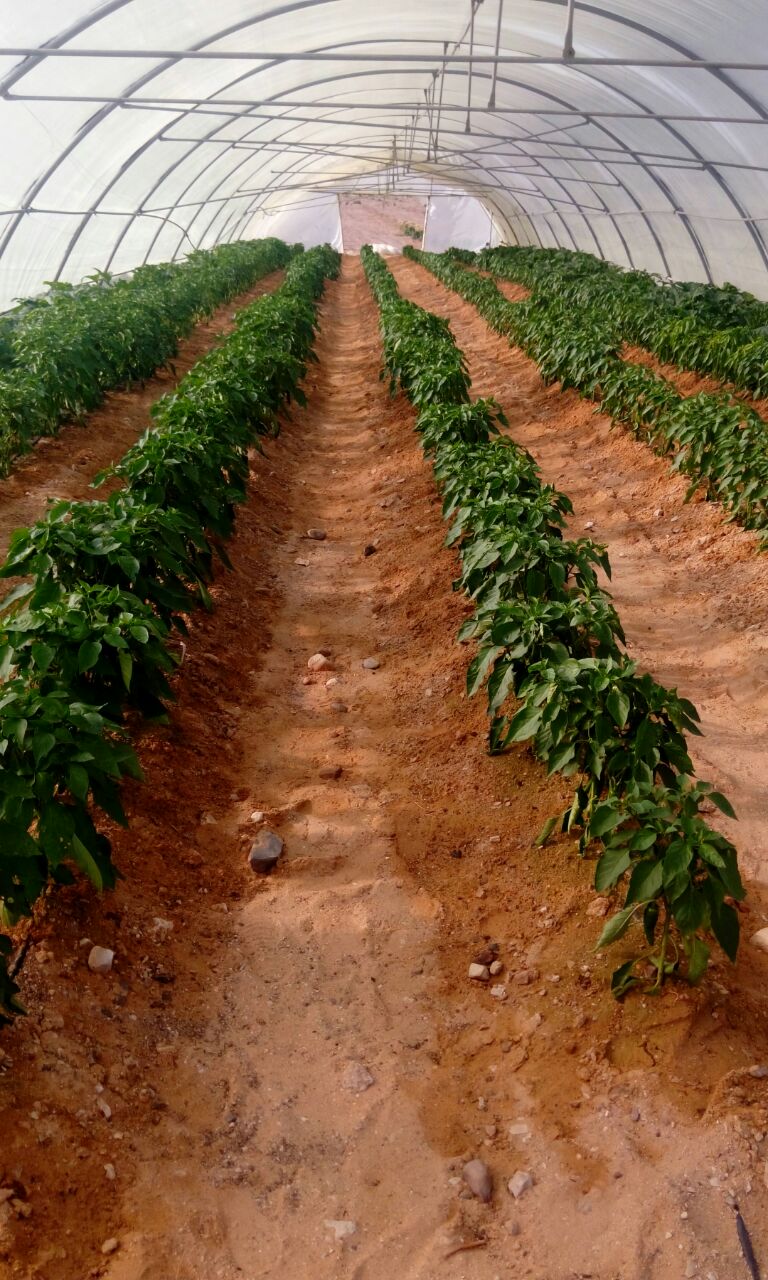
Brackish water (3,000–15,000 ppm) enters the Core. Eight tenths leaves as fertilizer-enriched irrigation water at a salinity tuned to the receiving crop.
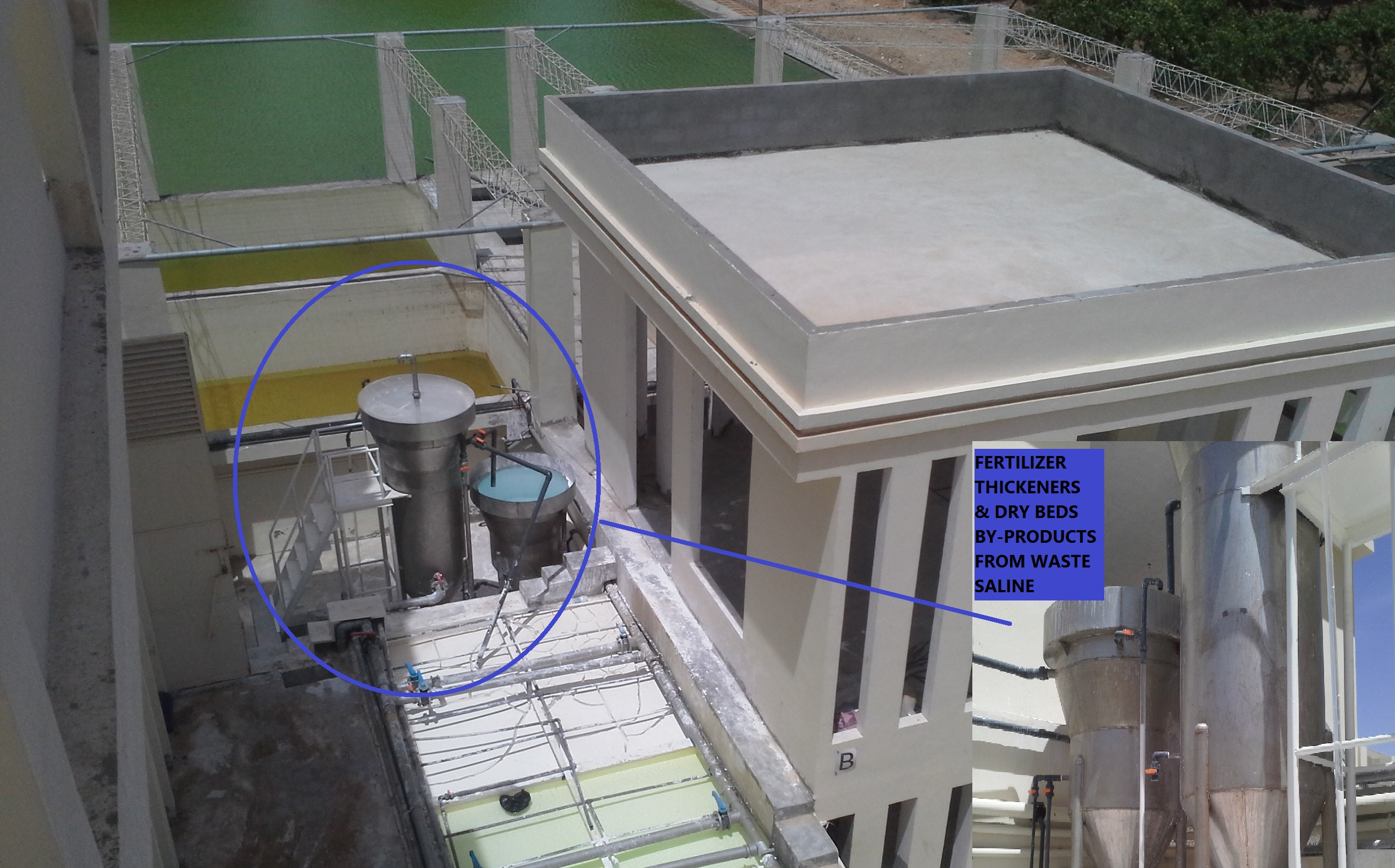
The 20 % brine stream is processed into 56,000 tonnes / strip / year of minerals, with a potable-water surplus rolling off the back end.
Each Core's energy load — pumping, membranes, separation — is sized for solar-first operation, with the grid as backup.
A small brackish-tolerant aquaculture loop runs inside the Core's footprint, using nutrient-rich flows that would otherwise be wasted.
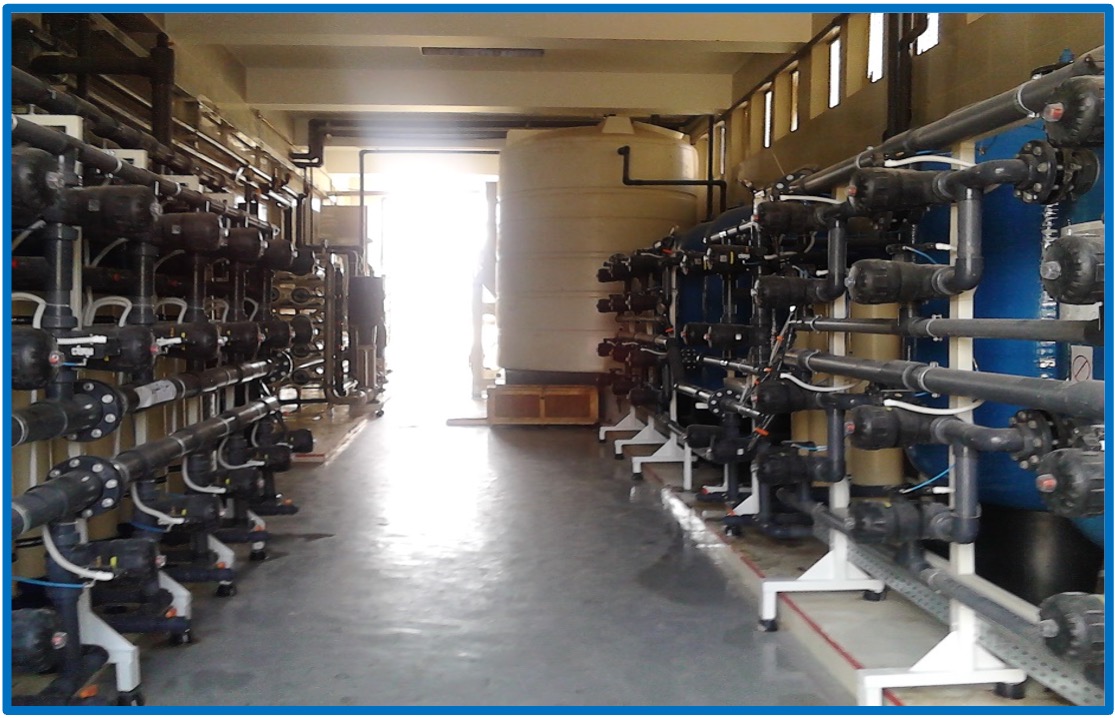
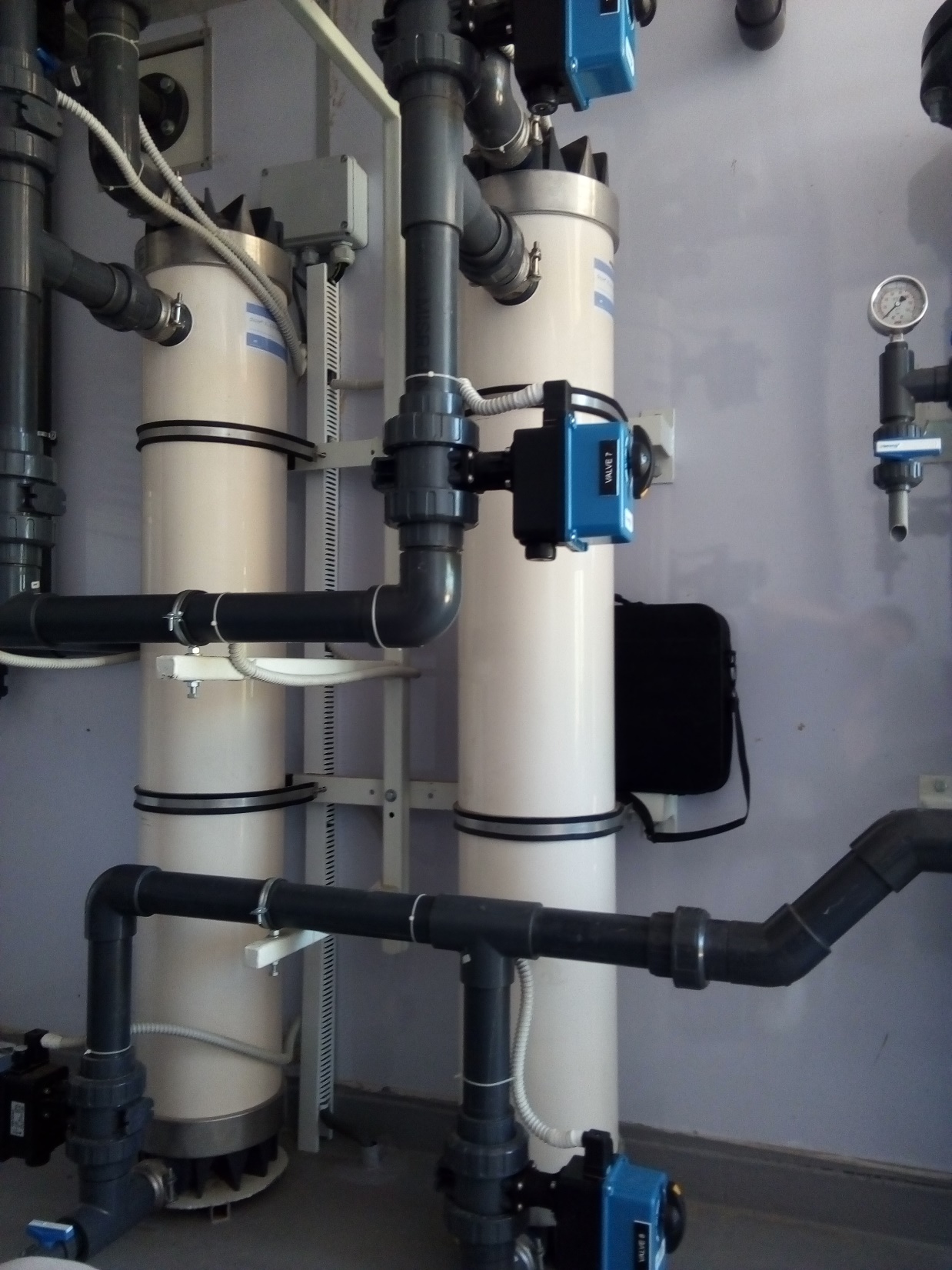
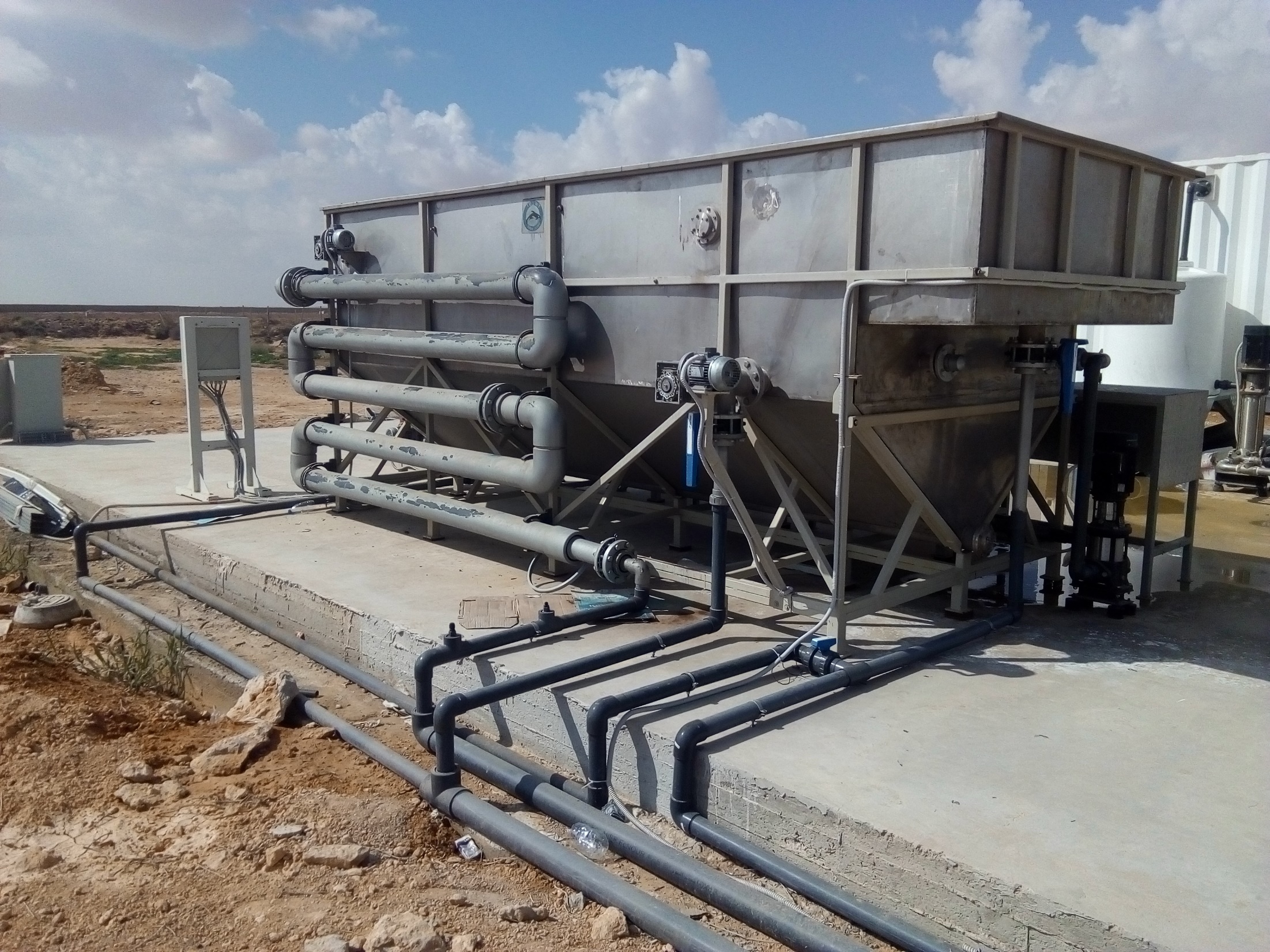
Feed tank → pH conditioning (HCl, NaOH) → antiscalant dosing → multi-stage membranes → permeate sweep → brine recovery. Every flow is metered, every valve labelled. The system is engineered to be operated by trained local technicians, maintained on site, and audited line by line.
Felaha's AGRO-NZLD NEXUS research programme has run continuously since 2015 with an academic partner — operated through 2026 by a multidisciplinary team of process engineers, agronomists, and aquaculture specialists. The technology arriving on the coast is the same technology that has been running, breaking, and being rebuilt in the lab for ten years.
Each of the 80 Felaha Cores serves a 1,140-hectare service area. The numbers below are the design specifications at full operation. They scale linearly across the project.
| System | Input | Output | Specification |
|---|---|---|---|
| Feed water | Brackish groundwater | — | 3,000–15,000 ppm · 12,240 m³/day per Core |
| Restructuring | Brackish feed | Irrigation water | 80% recovery · 9,792 m³/day per Core · fertilizer-enriched |
| Brine mining | 20% concentrate | Minerals + potable | 30% recovery from brine · 14,000 t minerals/yr per Core |
| Potable surplus | Brine mining tail | Drinking-grade water | 735 m³/day per Core |
| Wells | — | — | 21 wells / Core · 60 m³/hr each · monitored continuously |
| Service area | — | — | 1,140 net hectares · 3 plots · agri + aqua + accommodation + maintenance |
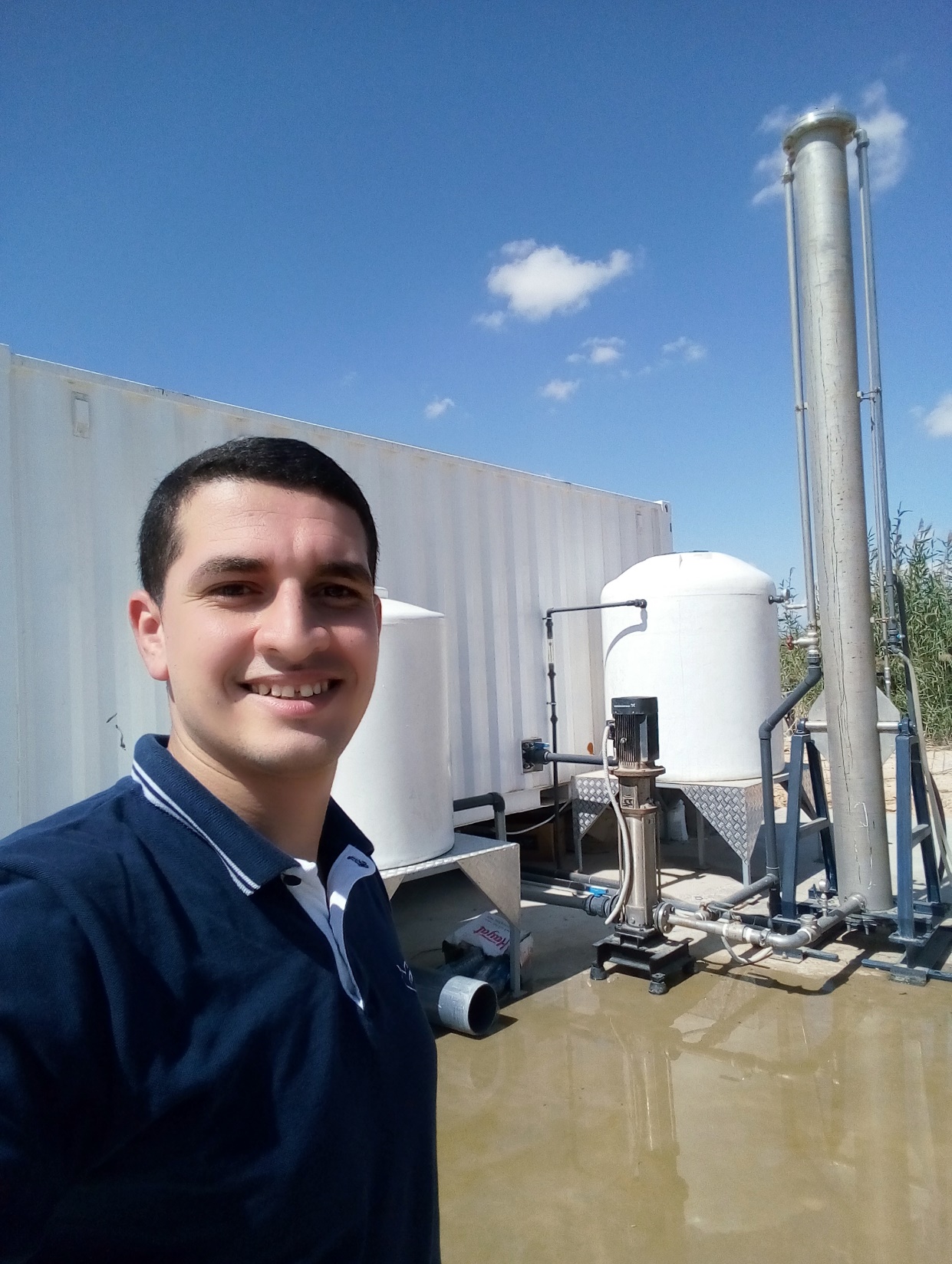
The Felaha Core has not been derived on paper. Each subsystem — membranes, chemistry, brine recovery, aquaculture, hydroponic delivery — has been built, operated, and rebuilt on real sites.
Full process flow diagrams, mass balance, energy profile, and bill of materials per Core. For engineers, consultants, and government technical advisors.